
As the seasons change in Bethpage, NY, your home's locks and security systems face different challenges that can affect their performance and longevity. From freezing winter temperatures to humid summer conditions, each season brings unique demands on your locks, keys, and access control systems. Regular seasonal maintenance isn't just about preventing inconvenient lockouts—it's about protecting your home, extending the life of your security hardware, and avoiding costly emergency repairs. At Bethpage Locksmith, we've seen firsthand how a little preventive care can save homeowners hundreds of dollars and countless headaches throughout the year.
Spring Locksmith Maintenance: Refresh and Inspect
Spring is the perfect time to assess any damage winter may have caused to your locks and security systems. As temperatures rise and humidity increases, it's essential to ensure your locks are functioning properly after months of cold weather stress.
Start by inspecting all exterior door locks for signs of rust, corrosion, or moisture damage. Winter's freeze-thaw cycles can cause metal components to expand and contract, potentially creating gaps where moisture can enter. Check weather stripping around doors to ensure it's still creating a tight seal—damaged weather stripping can allow moisture to reach your locks and cause internal damage.
Clean all locks thoroughly using a soft brush to remove accumulated dirt, pollen, and debris that builds up during winter. Pay special attention to deadbolts and strike plates, as these areas often collect the most grime. After cleaning, apply a small amount of graphite-based lubricant to keep mechanisms moving smoothly. Avoid oil-based lubricants during spring, as they can attract pollen and create sticky buildup.
Spring is also an ideal time to test all entry points to your home. Walk around your property and check every door and window lock to ensure they're engaging properly. Replace any worn keys that show signs of bending or excessive wear—damaged keys can break off inside locks, leading to expensive emergency service calls.
Summer Locksmith Maintenance: Beat the Heat and Humidity
Summer in New York brings heat, humidity, and increased home activity, all of which can impact your locks and security systems. High humidity levels can cause wooden doors to swell, misaligning locks and making them difficult to operate. Metal components can also expand slightly in extreme heat, affecting lock performance.
During summer months, monitor how easily your doors open and close. If you notice increased resistance or difficulty locking your doors, the issue might be door swelling rather than lock malfunction. Address this promptly by adjusting strike plates or trimming door edges if necessary—forcing swollen doors can damage lock mechanisms.
Summer is vacation season, making it crucial to verify that all security measures are functioning correctly before you travel. Test your deadbolts, sliding door locks, and window locks to ensure they provide maximum security. Consider upgrading to smart locks if you travel frequently—these systems allow you to monitor and control access remotely, providing peace of mind while you're away.
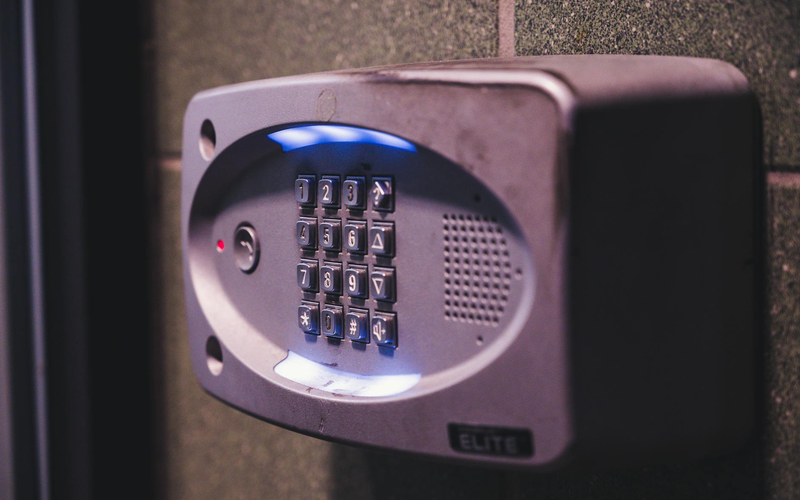
Check garage door locks and keypads as well. Summer heat can cause electronic keypads to malfunction, and exposure to direct sunlight can fade buttons, making codes difficult to enter. Clean keypad buttons with a slightly damp cloth and ensure the battery is fresh.
Lubricate all moving parts with a dry lubricant suitable for high temperatures. Humidity can cause standard lubricants to become sticky and attract dirt, so opt for products specifically designed for warm weather use.
Fall Locksmith Maintenance: Prepare for Winter
Fall is your opportunity to prepare your locks and security systems for the harsh winter ahead. Taking preventive measures now can save you from frozen locks and emergency lockout situations during the coldest months.
Begin by conducting a comprehensive inspection of all exterior locks. Look for any signs of wear that could worsen during winter, such as loose screws, misaligned strike plates, or keys that don't turn smoothly. Address these issues before temperatures drop and minor problems become major headaches.
Apply weather-resistant lubricant to all exterior locks, focusing on deadbolts and any locks exposed to the elements. Use a lubricant specifically designed to withstand freezing temperatures without becoming thick or sticky. This preventive measure helps prevent moisture from entering lock cylinders and freezing.
Check and replace door sweeps and weather stripping before winter arrives. Proper weather stripping not only keeps cold air out but also prevents rain, snow, and ice from reaching your locks. Even small gaps can allow moisture to seep in and freeze overnight, potentially damaging lock mechanisms.
Fall is also the perfect time to create spare keys for family members. Winter weather increases the likelihood of lost keys in snow or ice, and having backups readily available can prevent emergency locksmith calls during storms. Store spare keys in secure locations—consider giving one to a trusted neighbor or family member rather than hiding keys outside where they can be found by intruders.
Inspect your mailbox locks and any outdoor storage locks as well. These often-overlooked security points need the same care as your home's primary entry locks.
Winter Locksmith Maintenance: Combat the Cold
Winter presents the most significant challenges for locks and security systems in Bethpage. Freezing temperatures, ice accumulation, and snow can all cause locks to malfunction or freeze completely, leaving you locked out in dangerously cold conditions.
The most common winter lock problem is frozen cylinders. When moisture enters a lock and freezes, it can prevent keys from inserting or turning. Never force a key into a frozen lock—this can break the key off inside the cylinder, creating a much more expensive problem. Instead, use a lock de-icer or warm (not hot) water to gently thaw the mechanism.
Prevent frozen locks by applying a silicone-based spray lubricant before temperatures drop below freezing. This creates a moisture-resistant barrier inside the lock cylinder. Reapply throughout winter, especially after rain or snow.
Pay special attention to car door locks during winter. Vehicle locks are particularly vulnerable to freezing because they're constantly exposed to the elements. Keep a small bottle of lock de-icer in your pocket or purse (not in your car where you can't access it if locked out) for emergency situations.
Snow and ice accumulation around door frames can prevent doors from closing properly, putting stress on locks and potentially causing misalignment. Keep entry areas clear of ice and snow buildup. Use ice melt products carefully—some chemicals can corrode metal lock components over time.
Check that all doors close and latch properly in cold weather. Metal door frames can contract in extreme cold, potentially causing alignment issues. If doors don't latch smoothly, have strike plates adjusted before forcing locks causes internal damage.
Year-Round Locksmith Maintenance Best Practices
Beyond seasonal care, certain maintenance practices should be performed consistently throughout the year to keep your locks functioning optimally and your home secure.
Regular Cleaning and Lubrication
Clean your locks every three to four months using a soft brush or compressed air to remove dust, dirt, and debris. After cleaning, apply appropriate lubricant sparingly—too much can attract dirt and create buildup. For most locks, a graphite-based or dry Teflon lubricant works best.
Key Management
Inspect your keys regularly for signs of wear, bending, or damage. Replace worn keys immediately, as they can damage lock tumblers and increase the risk of breaking inside the lock. Never use bent or damaged keys—have them replaced by a professional locksmith who can cut accurate duplicates.
Keep track of all keys and who has copies. When moving into a new home or apartment, always have locks rekeyed—you never know how many copies of keys previous occupants made or distributed.
Security Hardware Inspection
Regularly tighten screws on strike plates, hinges, and lock mounting hardware. Loose hardware compromises security and can cause locks to misalign, making them difficult to operate. Check that deadbolts extend fully into strike plates and that latches engage completely when doors close.
Professional Lock Audits
Schedule an annual professional lock audit with a qualified locksmith. Professional inspections can identify potential problems before they become emergencies and ensure all security measures are functioning correctly. A locksmith can also recommend upgrades or improvements based on your specific security needs.
Common Lock Problems and Quick Solutions
Understanding common lock issues helps you identify problems early and determine whether you need professional assistance.
Sticky or Stiff Locks
If keys are difficult to insert or turn, the lock likely needs cleaning and lubrication. Remove debris with compressed air, then apply graphite or dry lubricant. If the problem persists, internal components may be worn and require professional attention.
Keys That Won't Turn Completely
This often indicates misalignment between the lock and strike plate, worn keys, or damaged lock tumblers. Check for loose screws on the lock or strike plate and tighten if necessary. If the key is worn, have a new one cut from the original or a less-worn duplicate.
Loose Door Handles
Loose handles can stress lock mechanisms and compromise security. Tighten mounting screws regularly, and replace hardware if screw holes have become stripped or enlarged.
Locks That Don't Latch
When locks don't engage properly, check for door misalignment, loose strike plates, or obstructions in the strike plate opening. Seasonal temperature changes often cause minor door shifting that affects latch alignment.
When to Call a Professional Locksmith
While many lock maintenance tasks are suitable for homeowners, certain situations require professional expertise. Call Bethpage Locksmith if you experience:
- Keys that break off inside locks
- Locks that won't open despite correct keys
- Damaged or vandalized locks
- Lost keys requiring lock rekeying
- Upgrading to high-security or smart lock systems
- Repeated lock problems despite maintenance efforts
- Security assessments for new homes or after break-ins
Frequently Asked Questions
How often should I lubricate my locks?
Lubricate locks every three to six months, or more frequently if you notice stiffness or difficulty turning keys. Always clean locks before lubricating to prevent trapping debris inside mechanisms.
What type of lubricant should I use on locks?
Use graphite-based or dry Teflon lubricants for most locks. Avoid oil-based products like WD-40 for regular maintenance, as they attract dust and dirt. Use weather-resistant lubricants for exterior locks exposed to temperature extremes.
Can I prevent my locks from freezing in winter?
Yes, apply silicone-based spray lubricant before winter to create a moisture barrier. Keep door frames clear of ice and snow, and ensure weather stripping creates a tight seal to prevent moisture from reaching locks.
How long do door locks typically last?
With proper maintenance, quality door locks can last 10-20 years or longer. However, high-traffic entry points may require earlier replacement due to increased wear. Regular maintenance significantly extends lock lifespan.
Should I rekey or replace old locks?
Rekeying is more cost-effective when lock hardware is still in good condition but you need to change who has access. Replace locks when hardware is damaged, worn, or outdated from a security standpoint.
Protect Your Home Year-Round
Seasonal locksmith maintenance is an investment in your home's security, your family's safety, and your peace of mind. By following these seasonal tips and maintaining regular care routines, you'll extend the life of your locks, prevent costly emergency repairs, and ensure your home remains secure throughout the year.
At Bethpage Locksmith, we're committed to helping Bethpage residents maintain optimal security year-round. Whether you need professional maintenance services, lock repairs, or security upgrades, our experienced team is here to help. Don't wait for a lock emergency to address security concerns—proactive maintenance saves time, money, and stress.
For professional locksmith services, security consultations, or emergency assistance, contact Bethpage Locksmith today. We're your trusted local locksmith, serving the Bethpage community with reliable, expert service when you need it most. Schedule your seasonal lock inspection or call us for immediate assistance—we're here to keep your home secure in every season.